Arabic & English
One restaurant identity. Two clear ways to read it.
Give Arabic and English readers a menu they can navigate, and review both versions as part of the same menu setup.
The same menu, in two languages.
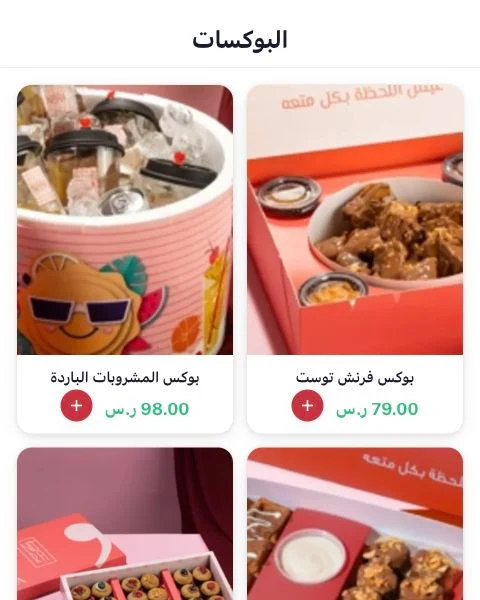
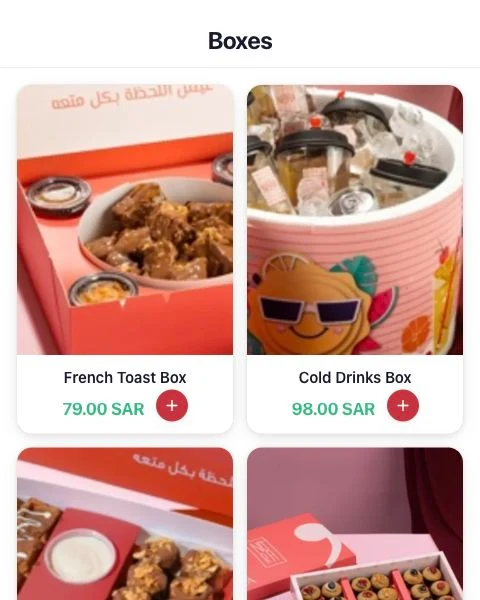
Actual captures of NORD. The current menu may differ.
Read in the right direction
Arabic and English need more than translated words. Check right-to-left and left-to-right presentation, long dish names, numbers and prices on a phone.
Keep your restaurant’s voice
Review names, descriptions, categories and available options in both languages. Keep a signature dish’s name recognizable, and explain unfamiliar ingredients clearly.
Treat translation as a draft
Translation assistance can give you a starting point. Review the result for meaning and food accuracy, and revisit both versions whenever ingredients or descriptions change.
Questions, answered
Can I edit the translated wording?
Review and edit your bilingual content during setup and maintenance. You know your dishes and naming choices best.
What if one translation is missing?
Some content can fall back to the available language. Preview the actual menu in both languages and complete missing fields instead of relying on fallback.
Does translation verify allergens or nutrition?
No. Translation is wording assistance, not verification of ingredients, allergens or nutritional information. Supply and check those facts separately.